The Story of Empire

From childhood game nights to a community shaped by play.

From One School Library to an Empire

What began as a voluntary after-school club has grown across multiple Perth school communities, shaped along the way by children, families, volunteers, friends and a great deal of play!

But the story begins much earlier...

01 ·
Around the Family Table

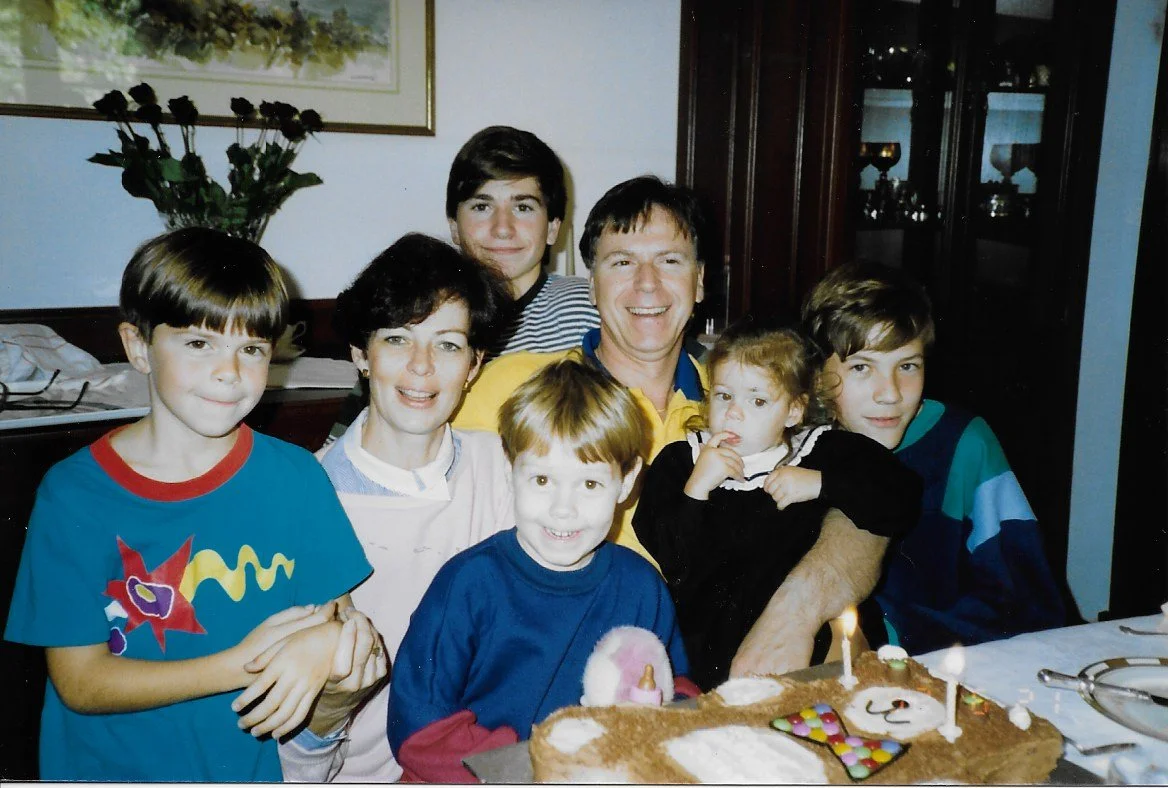
Games were part of David’s life from the beginning. As one of five siblings, childhood meant family games of Monopoly, Scrabble, The Game of Life, Risk, Rummikub, Boggle, Trivial Pursuit, Chess, Cribbage, Hearts, Midnight Party and Pizza Party, with plenty of laughter, rivalry and time spent together around the table.

Those early games left their mark. Some were competitive, some chaotic, and some definitely went on far too long, but they brought the family together.

Years later, that same connective spirit would become the seed of Empire.

02 ·
Strategy & New Worlds

As David grew older, games opened into deeper worlds. He played chess competitively for his school, while Magic: The Gathering and Warhammer 40,000 brought new layers of strategy, imagination and discovery.

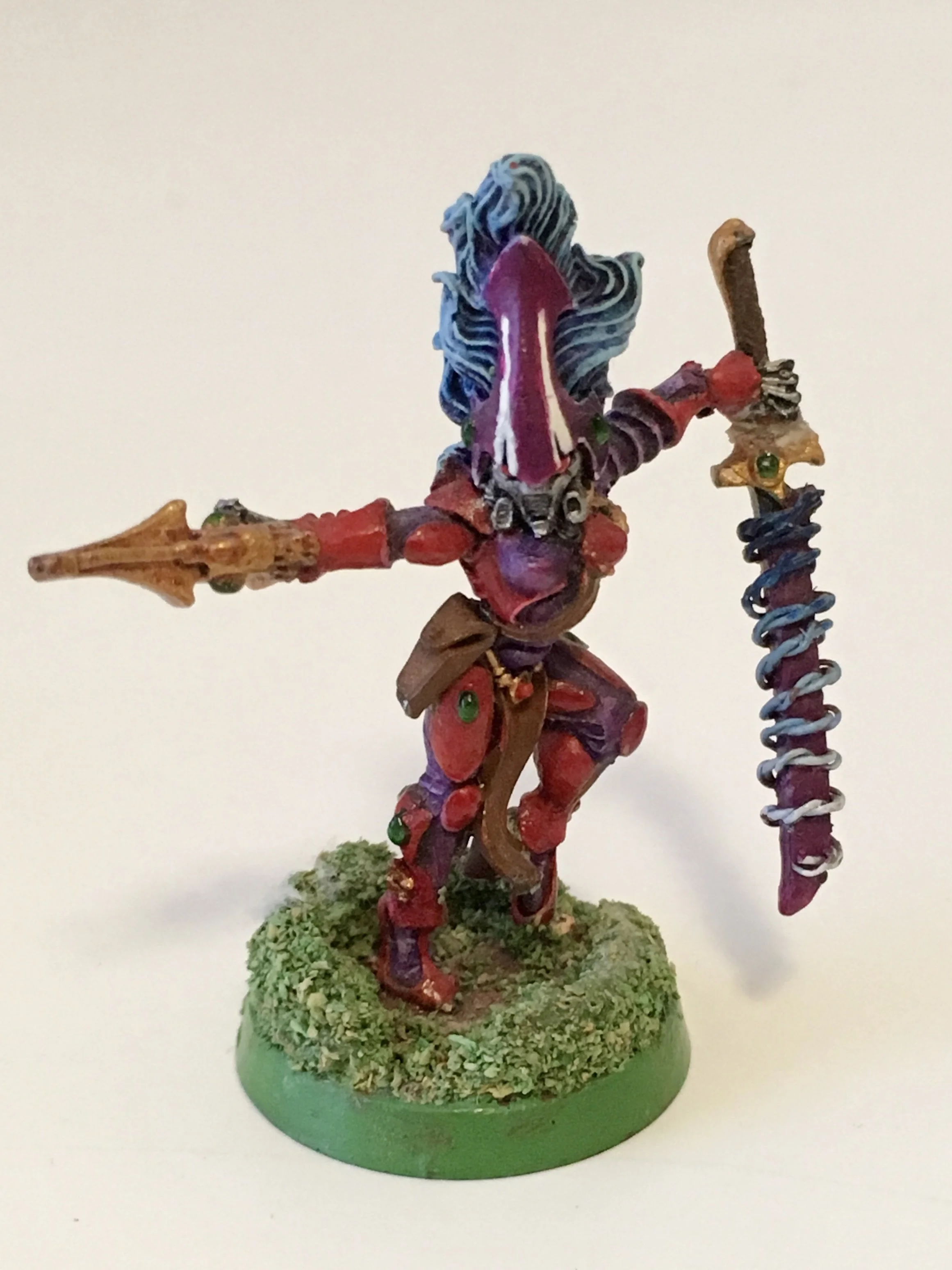
Hours were spent painting miniatures, building armies, constructing decks, learning systems and testing ideas against friends. Games were fiercely competitive, endlessly creative and completely absorbing, rewarding those who could think ahead, adapt when plans fell apart and try again.

03 ·
The Game Master

In his teens, David began creating games of his own.

He developed Mythical Monsters, an original fantasy role-playing game played regularly with a small group of friends. As Game Master, David created maps and adventures, illustrated monsters with their own statistics, invented items to discover and designed character sheets for players to create heroes of their own.

With little more than pen, paper and dice, entire worlds took shape around the table. The game kept growing as new creatures, places and possibilities were imagined.

04 ·
Bringing People Together

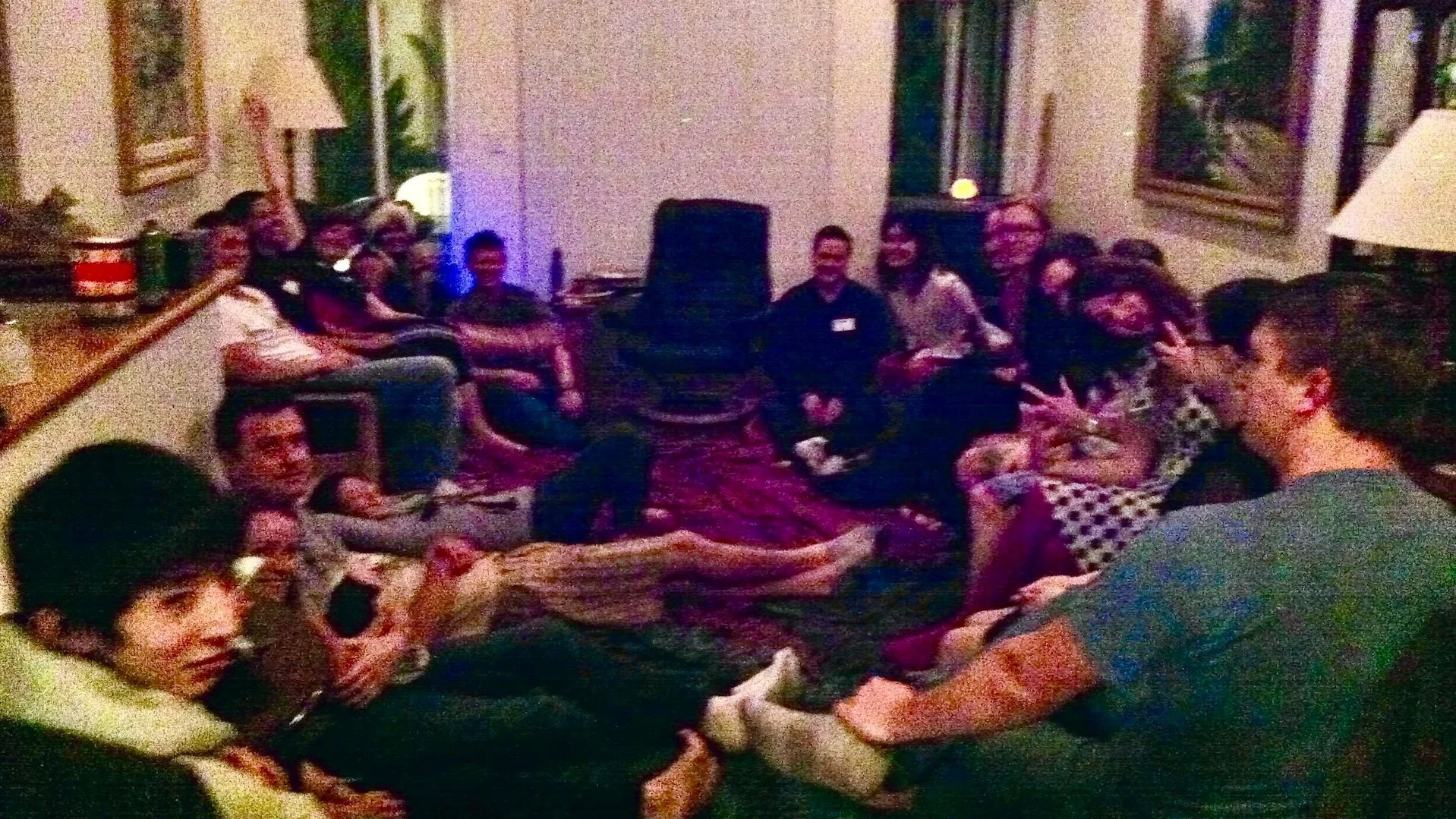
In his twenties, David began hosting regular game nights at home. What started with friends grew into lively gatherings of 20 to 30 people, with familiar faces mixing alongside newcomers.

Tables filled with games, but some favourites took over the whole room. Werewolf brought everyone together, with players crowding onto couches, chairs and the floor as David hosted from the centre of the room.

The games gave people an easy way in. Newcomers had something to do, strangers had something to talk about, and friendships grew from there.

A familiar tradition


Handmade nametags from a Werewolf night in 2012. Years later, personalised nametags became part of Empire too.

05 ·
Empire Begins

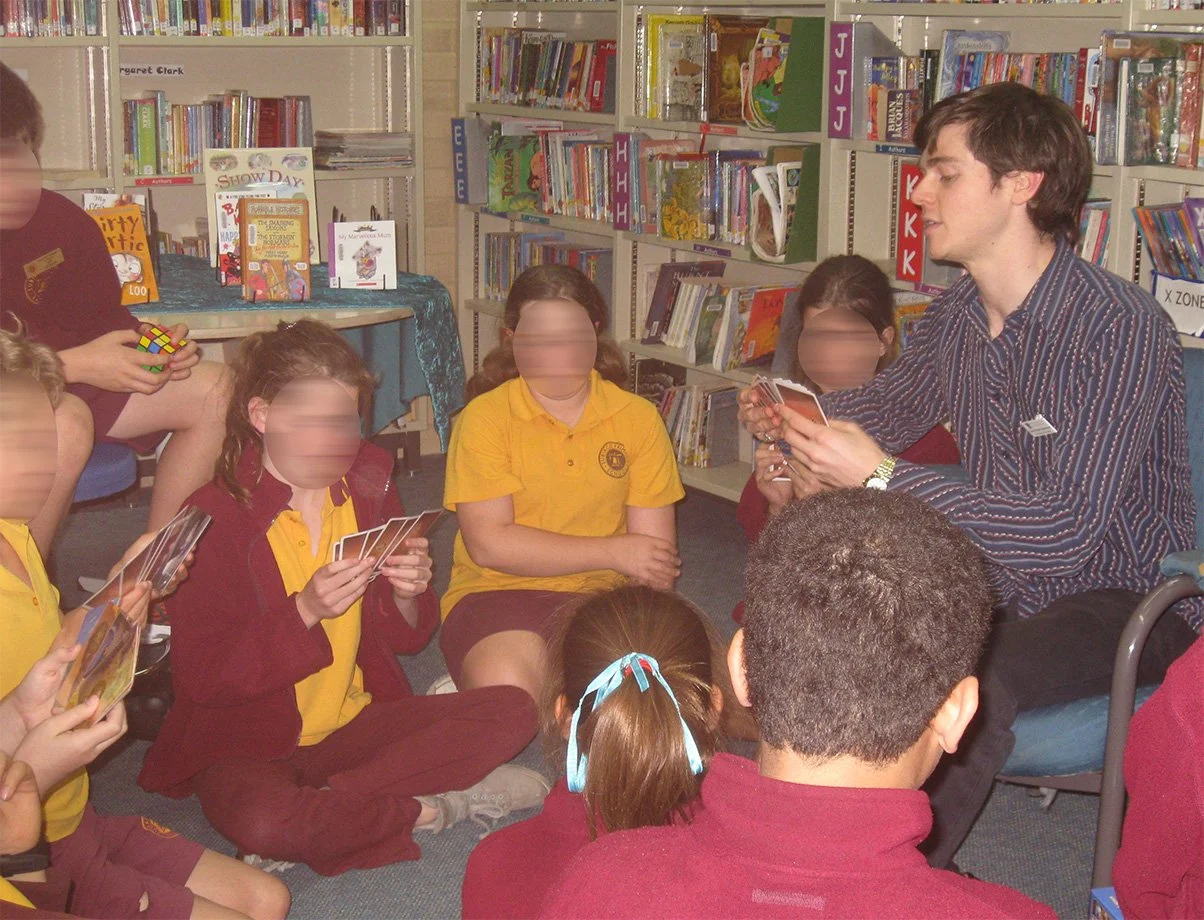
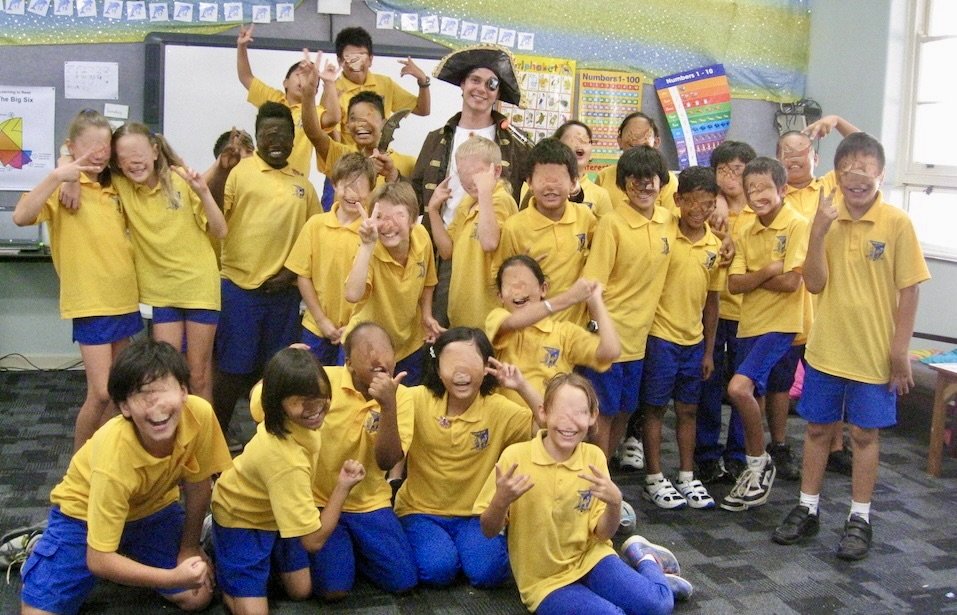
In 2012, while completing his final teaching practicum at Subiaco Primary School, David started a voluntary after-school games club in the school library. He called it Empire.

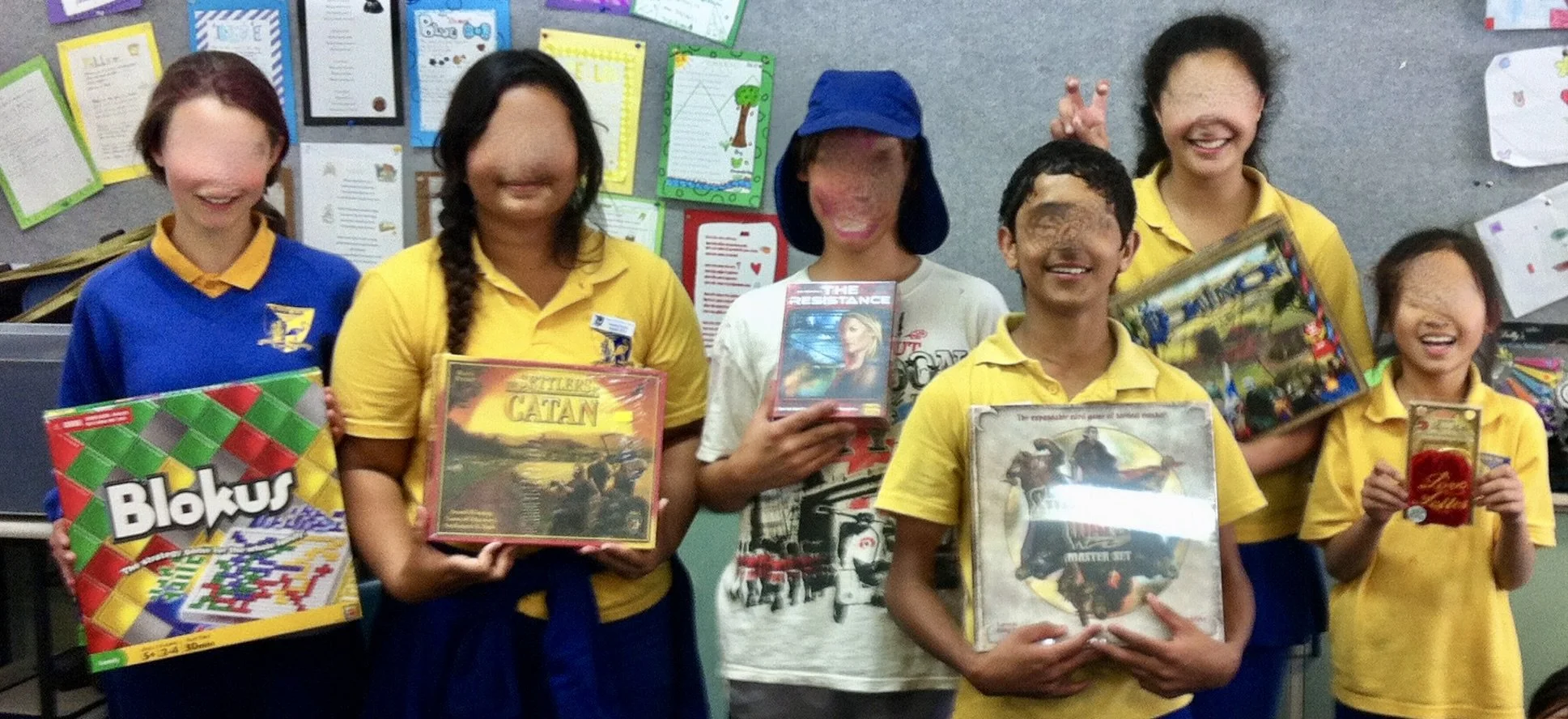
Students gathered around games like Dixit, Forbidden Island, Blokus, Hive, YINSH and Ultimate Werewolf, and demand quickly grew beyond the places available. David poured in his own collection, crowdfunded to buy more games, and gained the support of the school library, which added new games for the club to use.

Empire was still young and finding its feet, but the heart of it was already there: remarkable games, face-to-face connection, and a place children genuinely wanted to return to.

06 ·
Taking Root

In 2013, David began teaching at Queens Park Primary School and launched Empire there in Term 3. Initially run entirely voluntarily, the club brought up to 30 students together in the school library for two hours of games each week.

Tournaments, prizes and rewards for good sportsmanship became part of the culture. David continued building the games collection, while students discovered new favourites, tested their skills and learned how to compete well.

David’s enthusiasm for games in education was already reaching beyond his own club. In 2013, he began sharing Empire’s permission slips, conduct agreements, attendance sheets and other resources online, hoping to help teachers and organisers create games clubs of their own.

By 2014, Empire was still thriving alongside David’s full-time teaching. After encouragement from parents, he introduced a modest fee of just $10 for an entire term, keeping the club accessible to the school community. Some families paid in small $2 instalments.

The idea behind it was already clear, captured in a line David repeated in Empire’s early permission slips:

“Board games put the play back in learning!”

07 ·
A Wider World of Games

In 2012, David attended his first meetup with the West Australian Boardgaming Association (WABA) and was elected to the Committee at that year’s AGM, serving for a year before the demands of full-time teaching became too much to juggle.

Through WABA, David gained access to a vast library of modern board games. As a committee member, he could take games home, play through them and discover which ones were truly worth adding to his own growing collection and bringing into Empire.

WABA also led to an unexpected creative partnership. David met acclaimed board game artist Ian O’Toole through a shared love of Summoner Wars, before discovering that Ian’s young daughters attended Queens Park Primary School, where David was teaching and running Empire.

Ian generously offered to create artwork for the club, designing Empire’s first logo and flyer. For the first time, this little after-school games club had a visual identity of its own.

08 ·
A New Kind of Empire

After taking a year away from Empire to settle into the demands of becoming a Class Teacher, David relaunched the club in 2016, initially charging $70 for the term.

When Empire returned in a Steiner school setting, it began to take on a different character. David moved away from some of the science-fiction themes, combat-heavy games and strong focus on competition that had featured in earlier years. In their place came more cooperative games, charades and imaginative play, with children from Classes 4 to 7 sharing the same space.

There were still plenty of remarkable modern games, but the focus was broadening. Empire became a place for children to laugh, be silly, try something unfamiliar and connect with people outside their usual friendship groups.

Behind the scenes, things remained wonderfully old-fashioned. Permission slips were filled out by hand, payments arrived as cash in envelopes at the front office, and David entered every registration manually.

Many of the ideas that still shape Empire today were beginning to take root.

09 ·
More Than Board Games

By 2017, Empire was beginning to grow beyond the games themselves.

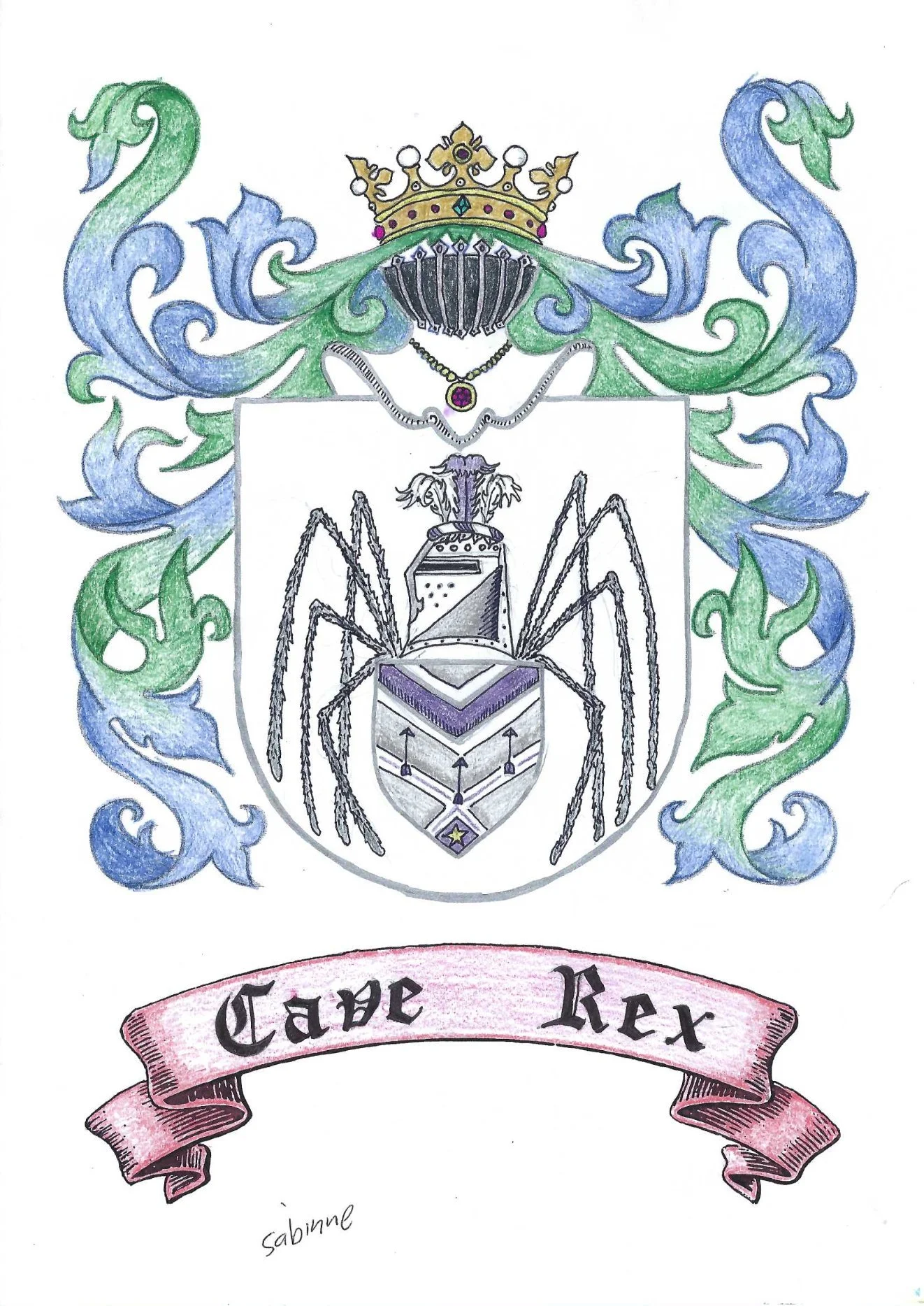
That year saw the first Artist Alley, with children invited to design their own Family Crest. It was the beginning of a long-running Empire tradition, with a new creative challenge appearing each term alongside the games.

Prizes had become part of Empire too, but they weren’t just about winning. Children could be recognised for good sportsmanship, enthusiasm, manners and responsibility, and were later invited to nominate peers who helped make the club a positive place to be.

David never stopped looking for great new games. The selection grew steadily, giving children the chance to try all kinds of experiences: dexterity, deduction, storytelling, strategy, cooperation and, of course, plenty of silliness.

All of this continued alongside David’s work as a full-time Class Teacher. He carried on with his class through the Steiner cycle until 2019, when he completed Class 5 and left Australia to travel.

By then, Empire had developed traditions of its own: creative challenges, games as prizes, peer recognition, and a growing sense that how children played together mattered just as much as what they played.

10 ·
Back to the Table

In 2020, Empire went on hiatus. Board games were not exactly built for a pandemic: children sitting close together, passing cards, sharing pieces and crowding around tables.

The pause did, however, give David time to work behind the scenes. He developed documents, refined ideas, wrote proposals and began laying the groundwork for Empire to grow beyond a single club.

In 2021, Empire returned to Perth Waldorf School, and the response was immediate. The first term filled with 30 students and another 10 on the waiting list.

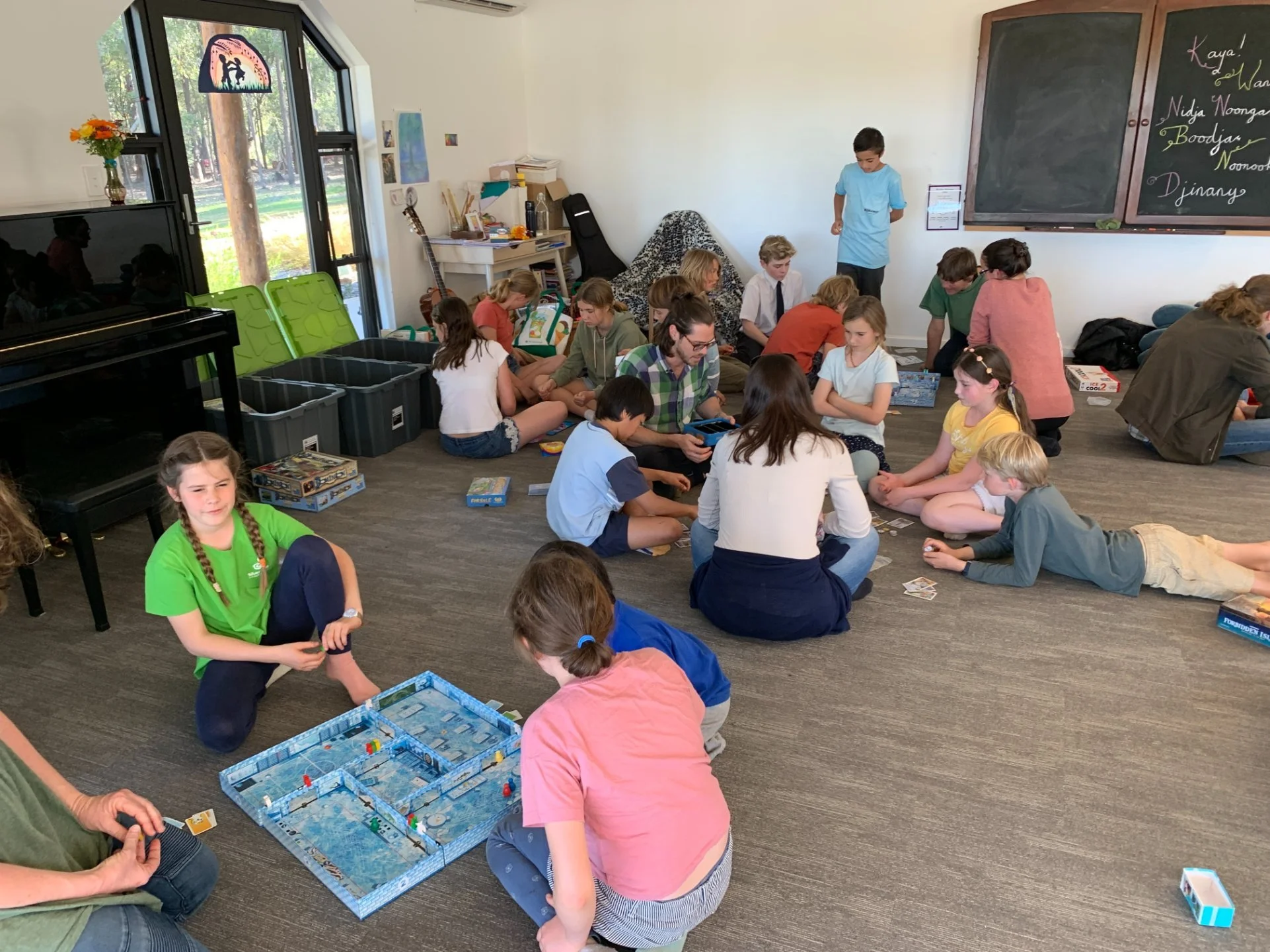
Later that year, David brought Empire to Silver Tree Steiner School. Demand was extraordinary, with more than 45 children expressed an interest. Fellow teacher Katie volunteered her time and classroom to help make room for the numbers, while music tutor Ben also stepped in to support sessions. By Term 4, Empire had expanded again, launching at West Coast Steiner School.

The practical side was changing too. Parents could now photograph permission slips and send them by SMS or email, a definite improvement on cash envelopes at the front office. Across several locations, though, forms arriving through different phones and inboxes soon created problems of their own.

After a year away from the table, Empire returned with fresh energy and, for the first time, began growing across several school communities.

11 ·
Sharing the Keys

By 2022, Empire was running across multiple schools, and David began putting more structure around something that had grown largely through experience, instinct and plenty of improvisation.

Older students were already returning as Keypers, helping younger children, teaching games and modelling the culture of the club. David created the Keypers Guide to Teaching Board Games to support them, while the first Empire Values put into words many of the ideas that had been taking shape for years.

Empire’s educational reach was growing too. At WA Steiner Schools Day 2022, David ran a fully booked workshop for teachers on using board games in classrooms and on camps, exploring their value for maths, literacy, creativity, spatial thinking and social connection.

12·
Becoming Modern Empire

As Empire grew across several schools, its identity began to change too.

In 2021, Janyce created a new logo and design for Empire, bringing a fresh visual direction to a club that had already passed through fantasy flyers, handmade forms and several different looks over the years.

The following year, Empire launched its first website. David spent months gathering resources and writing the content, with generous help from friends and family. Chris helped edit the text and think through page layouts, his sister-in-law Lizzie helped build the Squarespace site, and Ben wrestled with hours of custom code to make it all work.

Over time, Janyce continued developing Empire’s artwork and visual identity, gradually shaping the brighter, clearer, and more playful look seen today.

After a decade of handwritten forms, cash envelopes and improvised systems, Empire was beginning to look and operate more like the club it had grown into.

13·
Growing up with Empire

Over the years, some children stayed connected with Empire long after they had outgrown the original primary-school club.

When former attendees reached high school and wanted to keep coming, David began inviting older students back as Keypers. They attended for free, helped teach games, supported younger players and modelled the kind of culture Empire was trying to build.

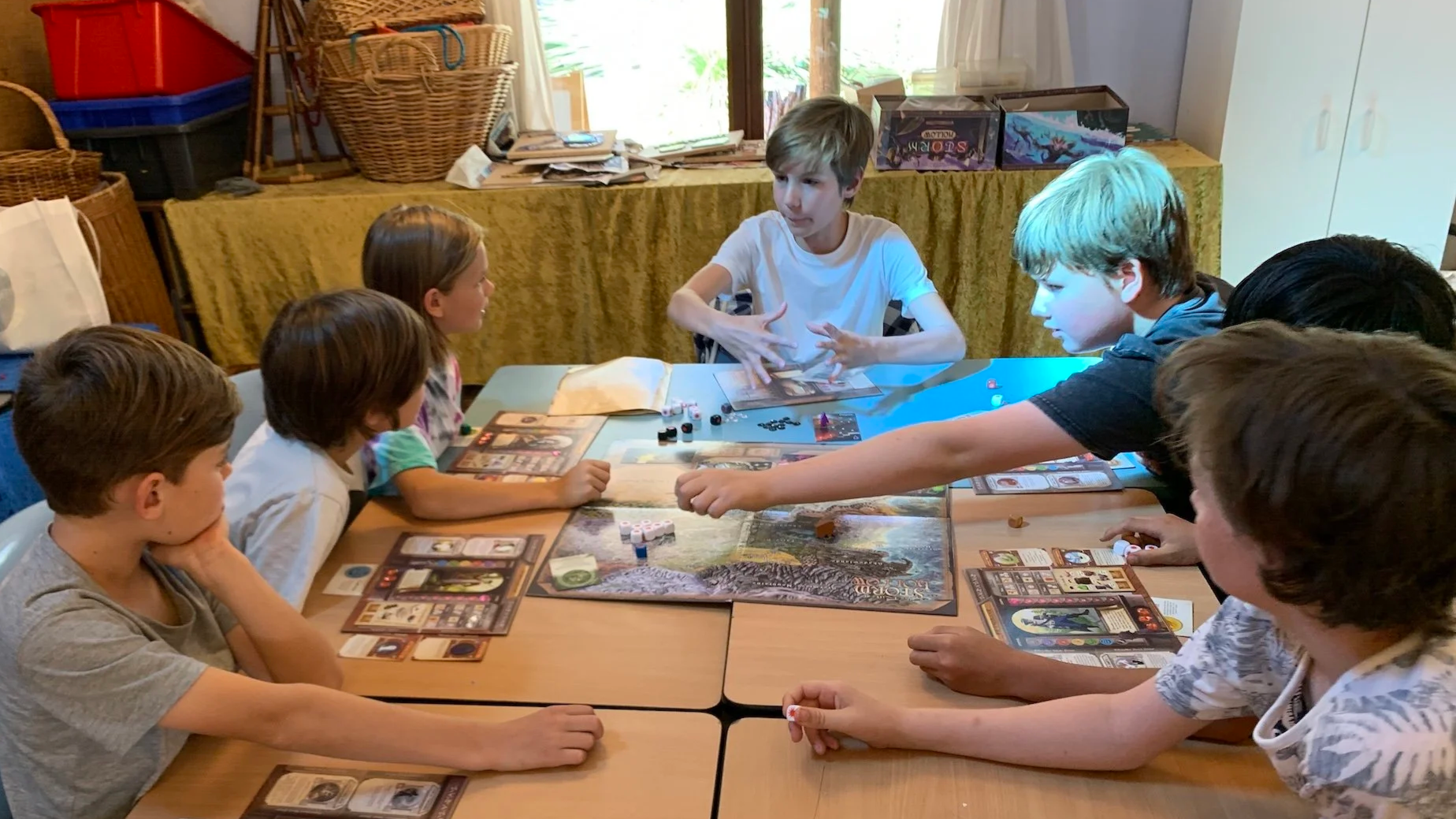
One of those young leaders was Will the Healer. As a Keyper, he helped guide younger children through many games, including the imaginative world of Storm Hollow where he brought his own creativity and storytelling to the table.

Years later, in 2025, Will returned again. Now 17, he helped run Empire while David was overseas.

What began as a way for older students to stay involved had become something David had never planned at the beginning: children growing from players into mentors, and eventually into trusted young leaders.

14·
Empire Today

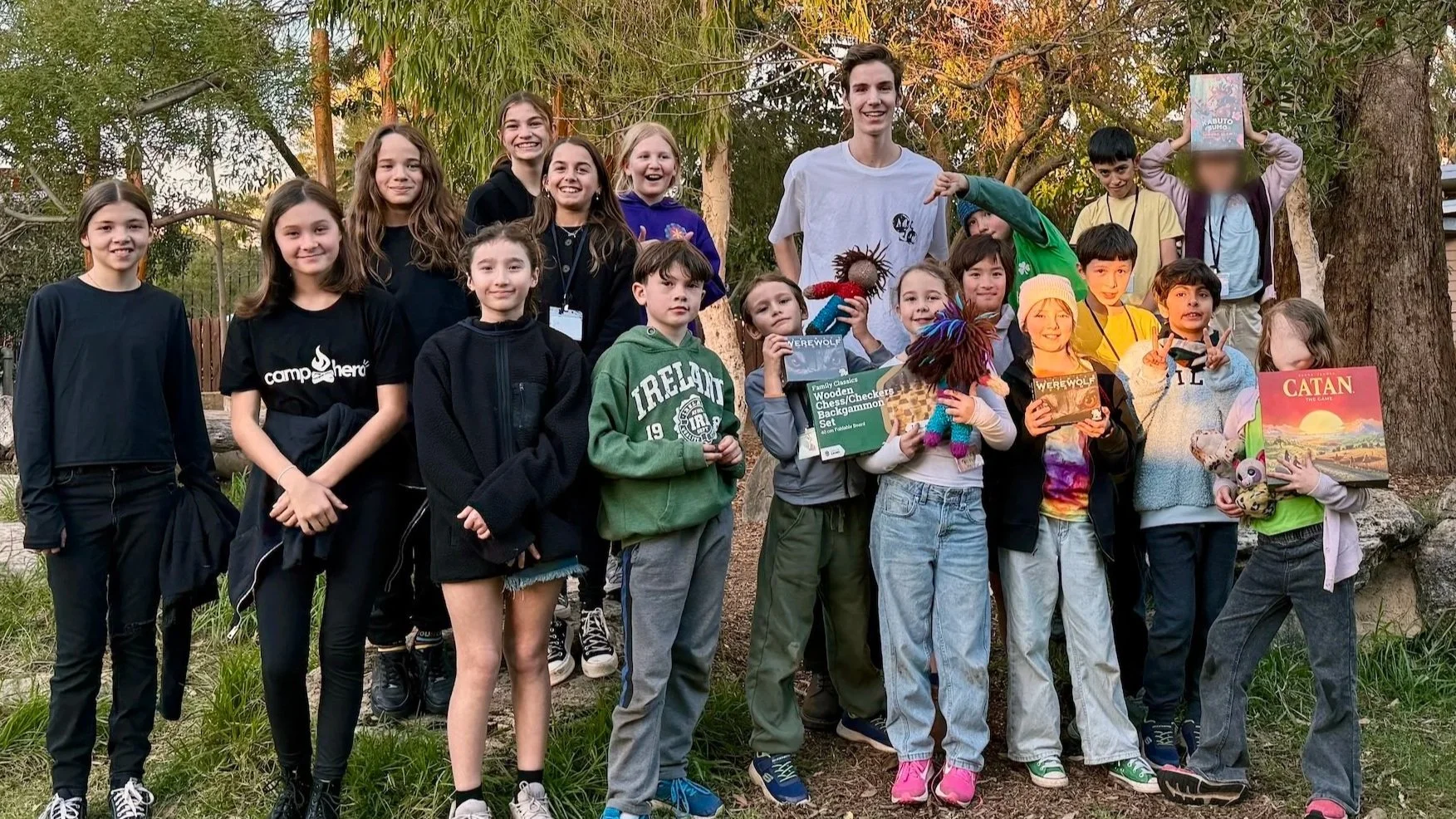
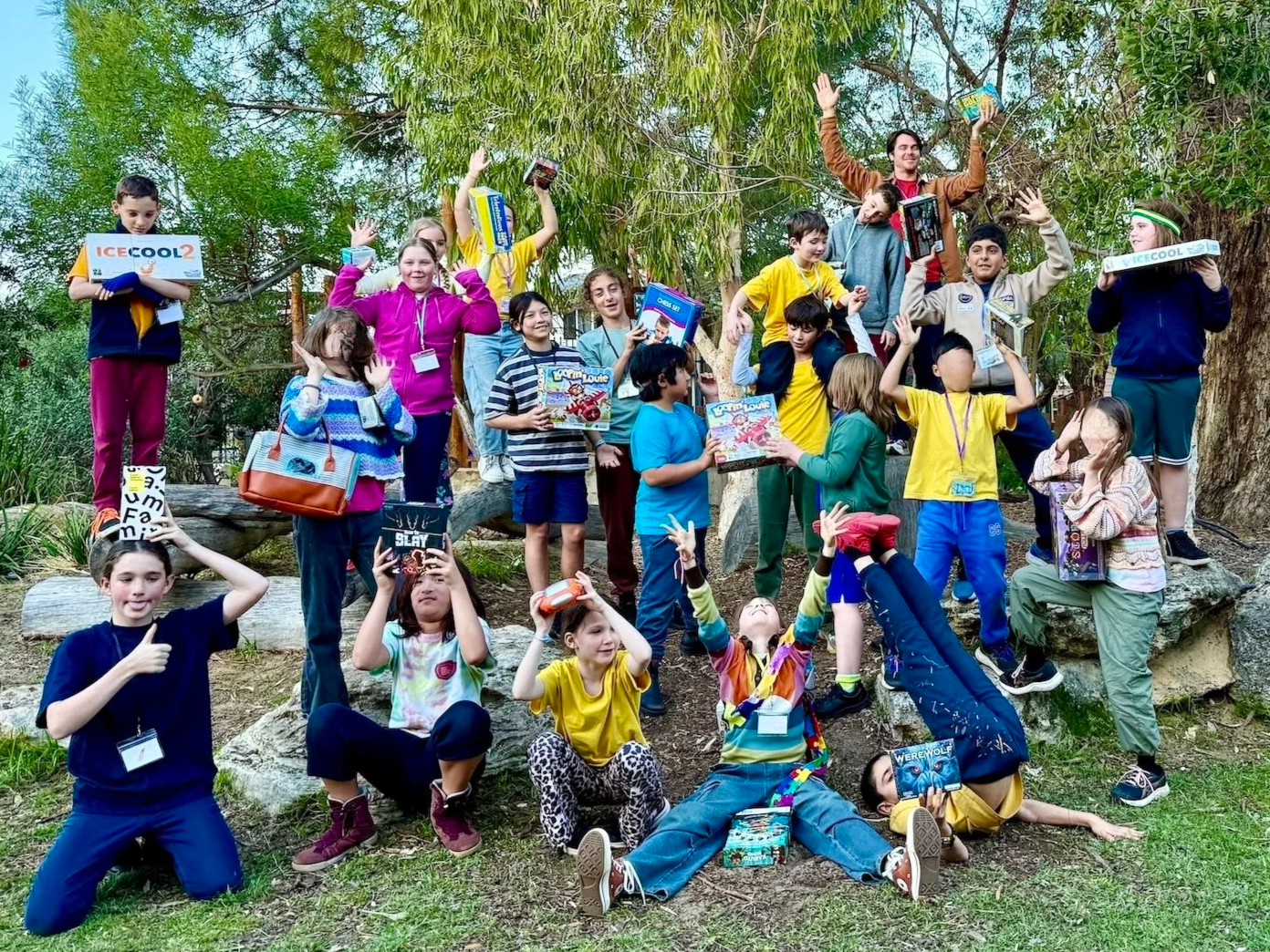
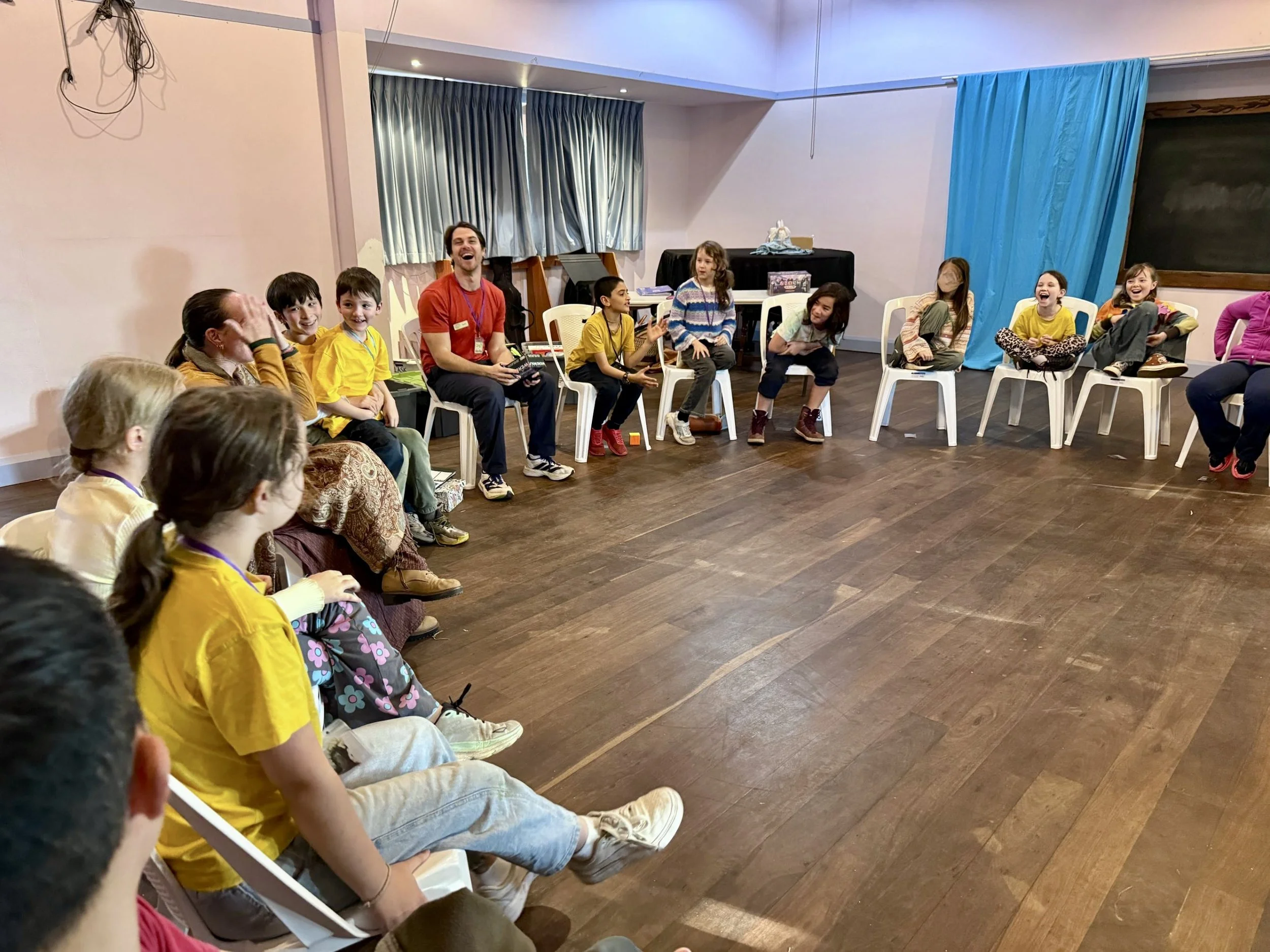
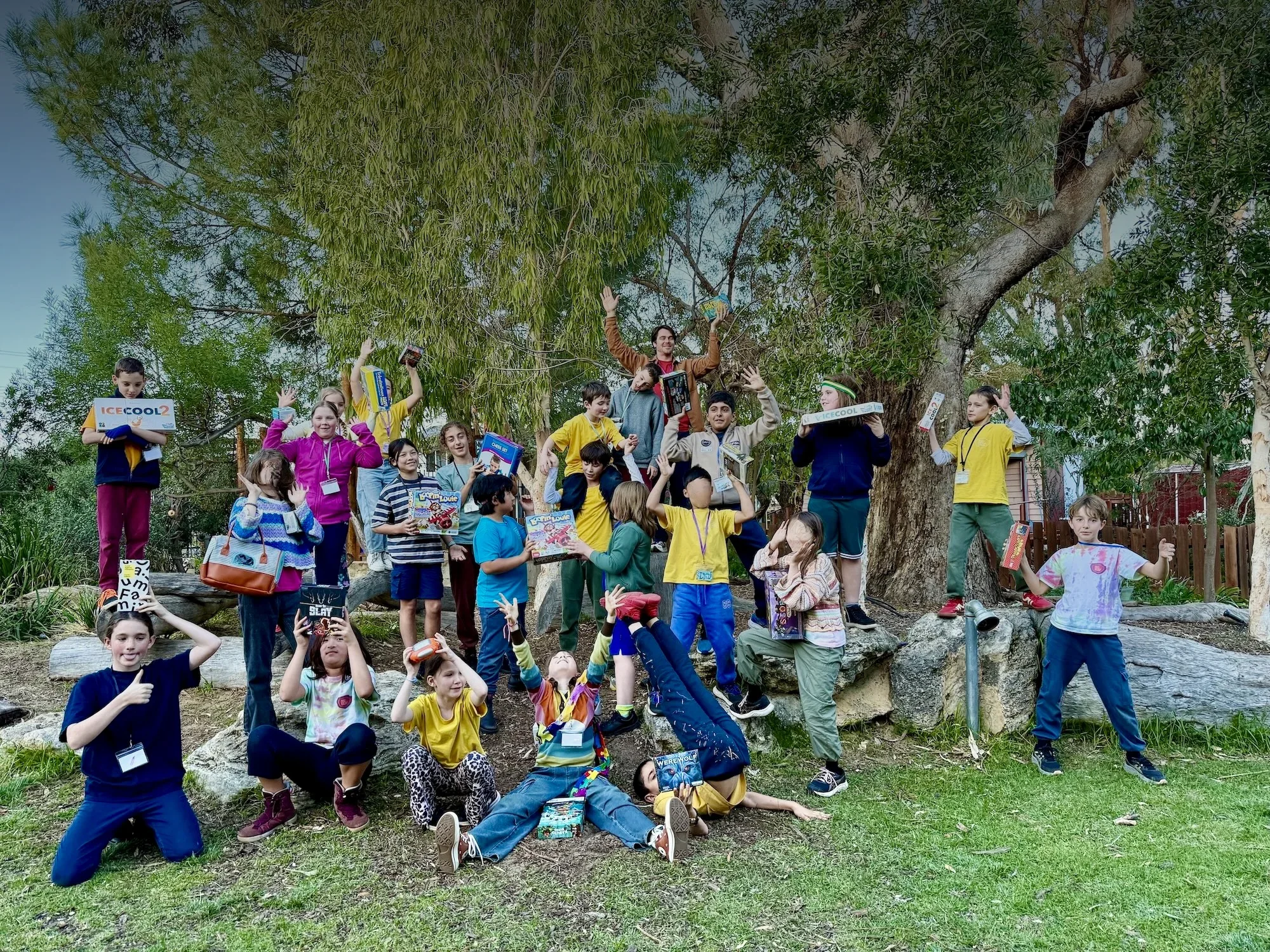
Empire today looks very different from the club that began in a school library in 2012. Its mighty gates open to multiple schools across Perth, though much of its heart is still the same.

Children still gather around tables to discover new games. They still teach one another, debate rules, make unlikely alliances, take risks, lose badly, win gloriously, laugh raucously, and ask whether there is time for one more round!

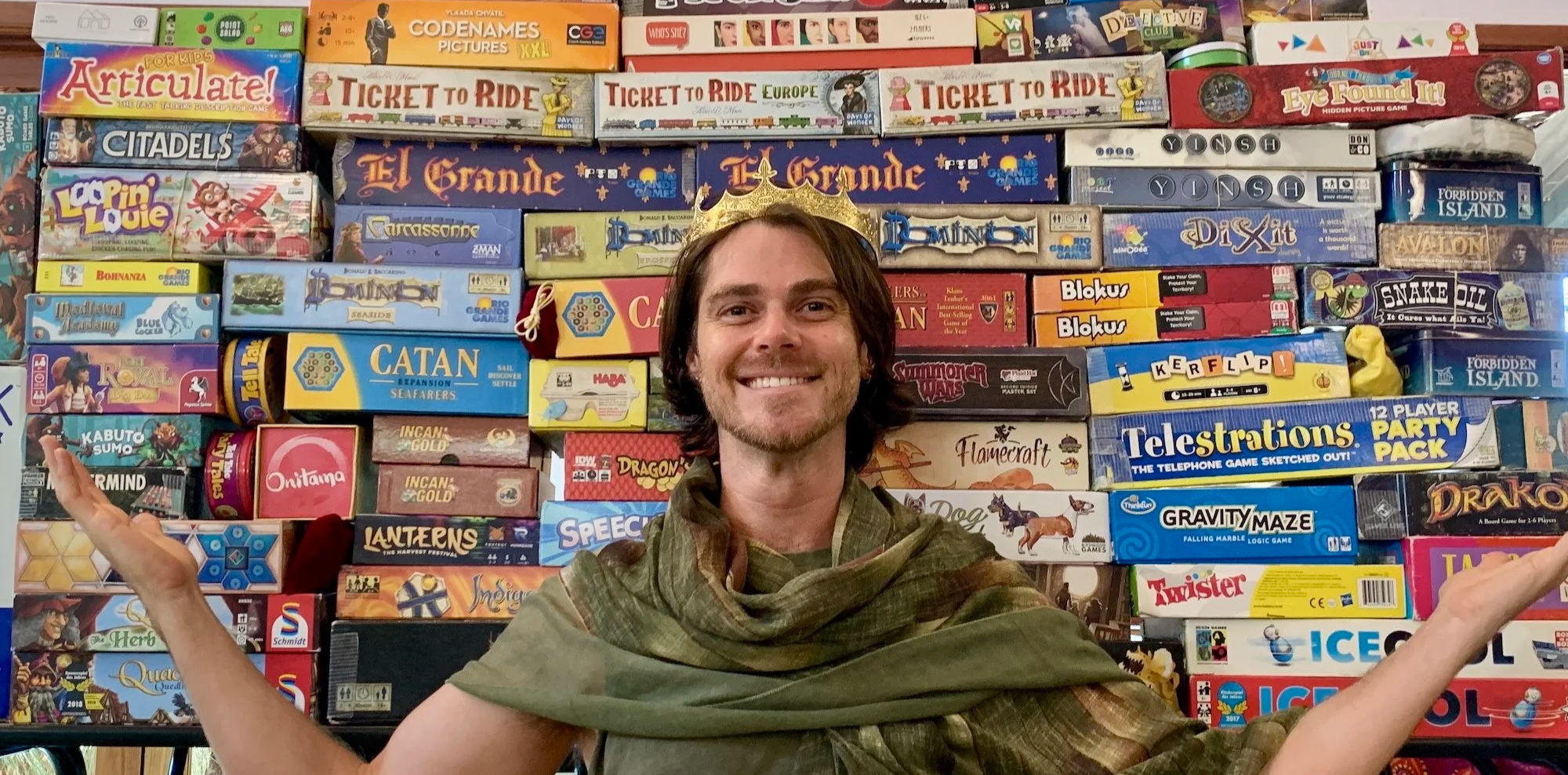
The games collection now spans hundreds of titles, chosen not simply because they are fun, but because different games bring out different things in children. Some reward communication and teamwork. Others invite strategy, creativity, courage, negotiation, cunning, patience or quick thinking.

Artist Alley has grown alongside the gaming, giving children another way to create, imagine and contribute to the culture of the club. Keypers help welcome others and teach games, taking on genuine responsibility. Prizes have become more thoughtfully connected to what children are doing, whether that means taking home a new game or art materials to keep creating.

Over time, David also became clearer about what he was seeing happen through play. The ideas that now sit behind Empire’s Six Pillars emerged gradually, through years of watching children and their families play, teach, negotiate, create, connect and grow.

Empire began with a love of games and a simple desire to share them. Fourteen years later, the club has a much clearer understanding of what can happen when children are given the right game, the right group, enough time, and a place where they genuinely want to be.

The club has grown enormously.

The heart of it remains true.